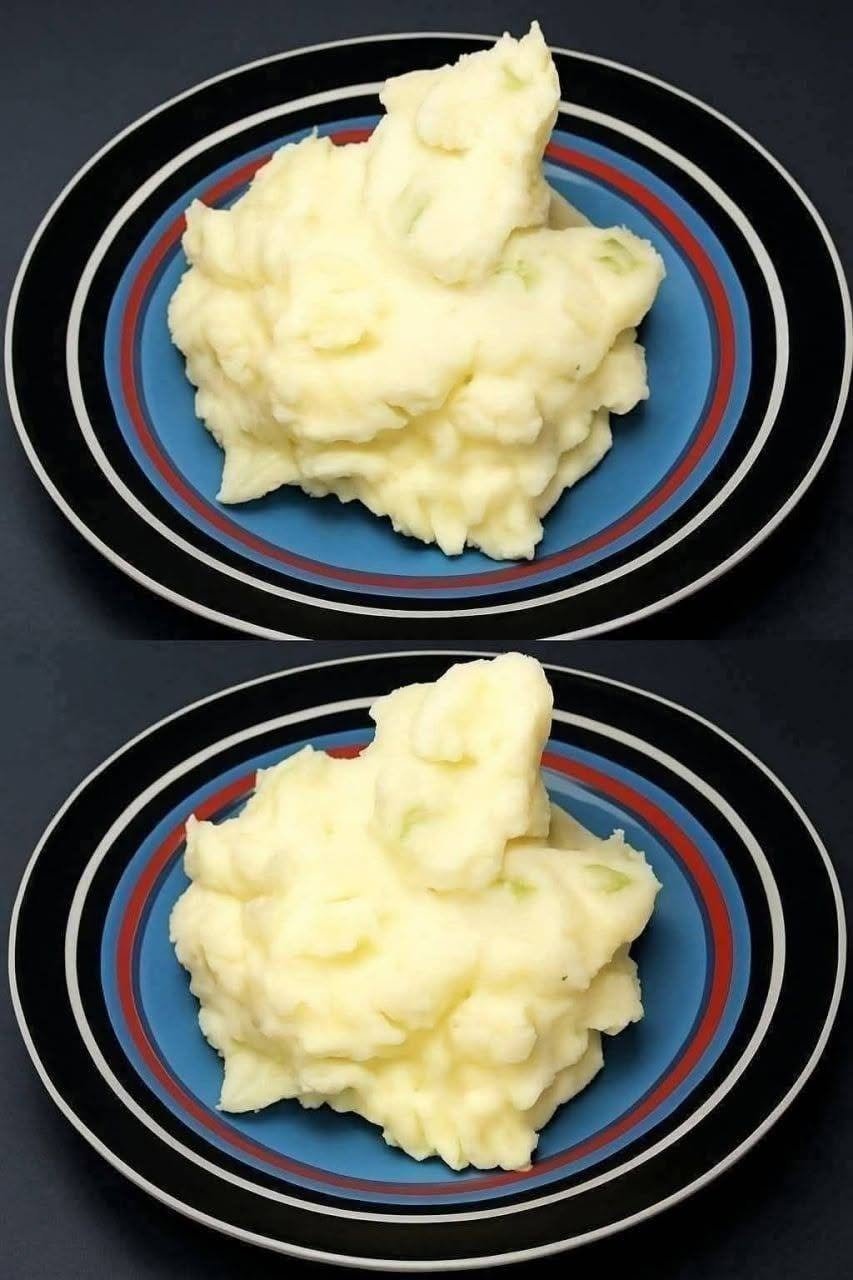
Mashed potatoes are the ultimate comfort food—creamy, buttery, and deeply satisfying. However, achieving a flawless, cloud-like texture can be surprisingly tricky. One of the most common culinary mistakes home cooks make is boiling peeled potato chunks in plain water. While it seems like a standard step, boiling can actively ruin your side dish, leaving it watery, bland, or gluey.
🧪 The Food Science: 3 Ways Boiling Ruins Your Mash
-
Hydraulic Waterlogging: Potatoes consist of microscopic cells packed with starch granules. When boiled, these cell walls stretch and break, allowing water to flood into the potato tissue. When mashed, this trapped water releases, diluting your cream and butter and yielding a soggy, thin purée.
-
Nutrient & Sugar Leaching: Water is an effective solvent. As potatoes boil, water-soluble nutrients, natural sugars, and mineral salts leach out of the exposed flesh and dissolve into the cooking water that gets drained away, leaving a bland potato base.
-
The “Gluey” Overmixing Trap: Because boiled potatoes become waterlogged, cooks often over-manipulate the mixture with a spoon, masher, or mixer to force a smooth texture. Aggressive overmixing ruptures delicate starch cells, releasing massive amounts of free amylose starch. This starch bonds with liquid, turning the mash into a gummy paste reminiscent of glue.
📊 Structural Comparison: Cooking Mediums
| Cooking Method | Moisture Retention | Starch Preservation | Flavor Impact |
| Boiling | High (Waterlogged) | Low (Leached into pot) | Diluted and bland |
| Steaming | Ideal (Vapor-cooked) | High (Intact cells) | Natural and clean |
| Baking | Low (Concentrated) | Maximum (Perfect gelation) | Deep, earthy, and rich |
🥔 Two Superior Cooking Methods:
LOOK NEXT PAGE DEAR──►
For Complete Cooking STEPS Please Head On Over To Next Page Or Open button (>)
For Complete Cooking STEPS Please Head On Over To Next Page Or Open button (>)
Mongolian Ground Beef Noodles!

My sister brings these to every August porch party and it only takes 4 ingredients to make a flaky golden crowd pleaser.
Grandma’s Unbelievably Creamy Chocolate Pie
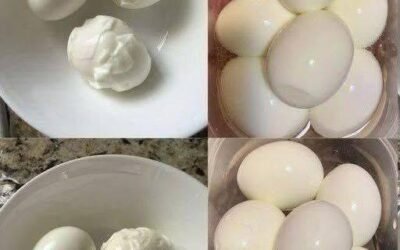
Chef’s Clever Hack for Perfectly Peeled Hard-Boiled Eggs

Ginger Water: The Healthiest Drink to Burn Fat and Tone Your Body