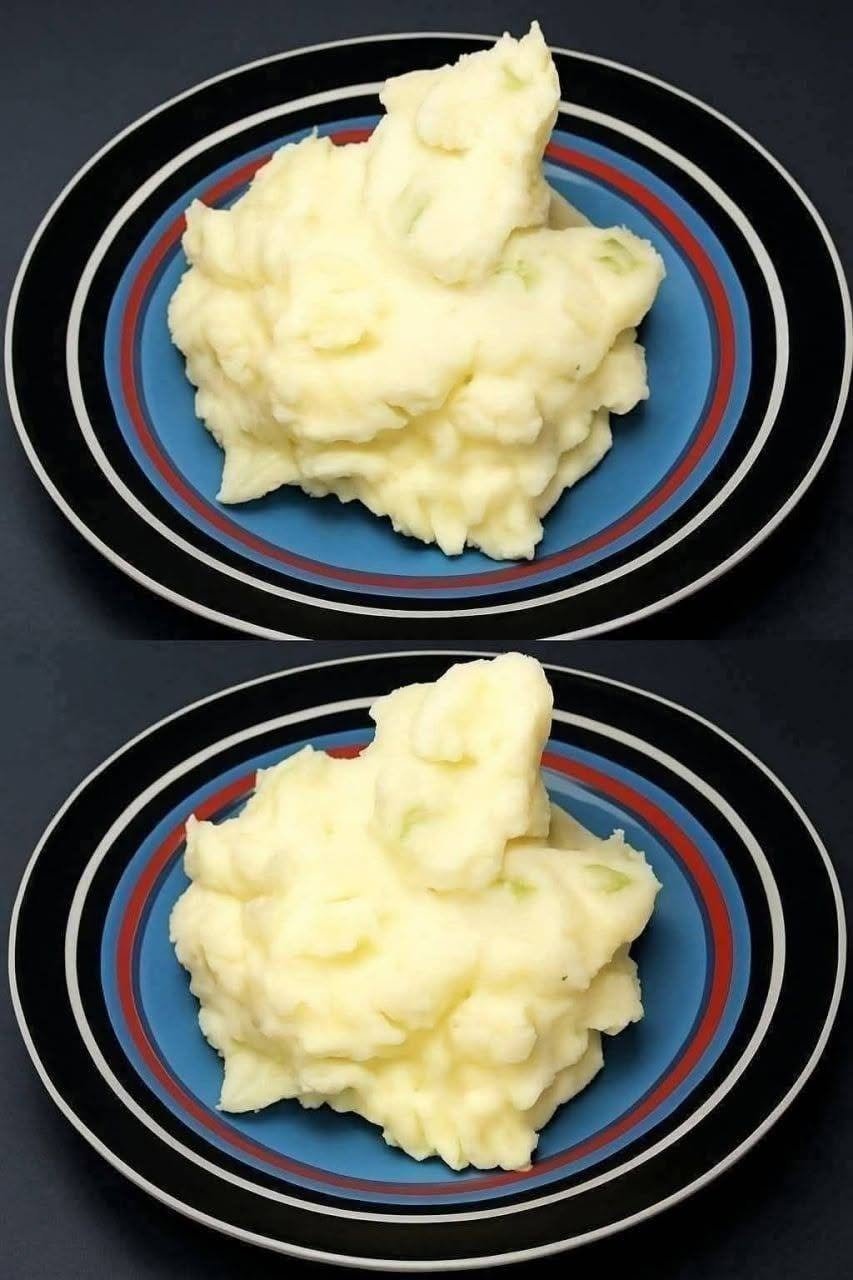
Method 1: Steaming (For Clean, Flawless Creaminess)
Steaming cooks the potato using the latent heat of water vapor rather than submersing the vegetable in a liquid bath.
Method 2: Oven Baking (For Deep, Concentrated Flavor)
Baking eliminates external moisture while evaporating a portion of the potato’s natural water content, concentrating its earthy flavor.
💡 Pro Rules for Next-Level Fluffy Mash
-
Select an Amylose-Rich Potato: Choose Yukon Gold (for a rich, buttery flavor) or Russet (for ultra-fluffy texture). Avoid waxy varieties like Red Bliss or fingerlings, which have high moisture and low starch, making them prone to turning gummy.
-
Warm Your Dairy Components: Never pour cold milk, cream, or melted butter straight from the fridge into hot potatoes. Cold liquids shock the hot starch granules, causing the mixture to tighten and seize. Warm your butter and cream gently in a small saucepan before folding them in.
-
Deploy Low-Shear Tools: Never use a food processor, blender, or electric hand mixer; high-speed rotating blades rip open starch cell walls and release free amylose, creating an elastic glue. Use a manual potato ricer or food mill to extrude delicate, airy ribbons without bruising the starch matrix.
For Complete Cooking STEPS Please Head On Over To Next Page Or Open button (>)
For Complete Cooking STEPS Please Head On Over To Next Page Or Open button (>)

Just a teaspoon, suddenly the orchid miraculously blooms with lots of flowers

This is how to have geraniums full of flowers: you have to water them like this to keep them always leafy.

Just 1 tablespoon in the morning loosens “stuck stool” and reduces belly bloat!

My nana swears by this DIY weed killer recipe. Here’s how it works

My dad showed me how to make these packet meals when money was tight. Just 4 ingredients for a perfectly tender individual feast