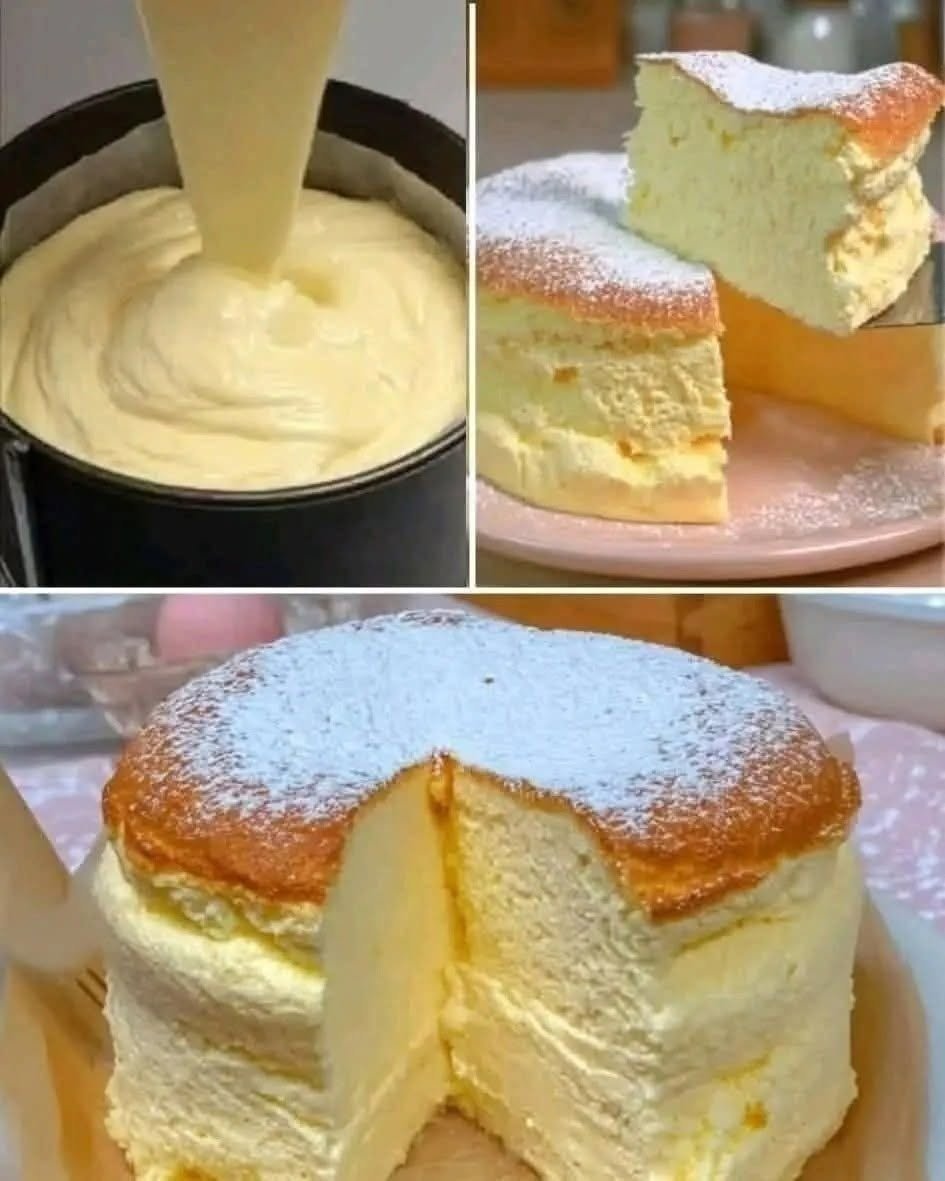
This Classic Vanilla Butter Cake is a tender, golden sheet cake soaked in a warm, caramelized buttermilk sauce. Prepared with simple pantry staples, real butter, and vanilla, this sheet cake absorbs the sweet caramel-custard glaze directly into its crumb for a soft, melt-in-your-mouth dessert.
Equipment & Ingredients
Equipment Required
-
Stand mixer or hand mixer with paddle/whisk attachments
-
$9\times13$-inch metal or ceramic baking dish
-
Medium saucepan
-
Wooden skewer or fork (for poking absorption channels)
Component Breakdown
| Section | Ingredient | Quantity | Functional & Culinary Role |
| Vanilla Butter Cake | All-purpose flour | 3 cups (360g) | Primary starch and gluten structure. |
| Unsalted butter | 1 cup (225g / 2 sticks), room temp | Traps micro-air pockets during creaming for a tender crumb. | |
| Granulated sugar | 2 cups (400g) | Sweetens crumb and holds moisture. | |
| Baking powder | 1 tbsp | Primary leavening engine for uniform rise. | |
| Eggs | 4 large, room temp | Binds structure, adds moisture, and emulsifies fats. | |
| Buttermilk | 1 cup (240ml), room temp | Acid tenderizer that relaxes gluten bonds for extra soft texture. | |
| Vanilla extract & Salt | 2 tsp vanilla, ½ tsp fine salt | Deep aromatic flavor backbone and flavor enhancer. | |
| Warm Buttermilk Sauce | Unsalted butter | ½ cup (115g / 1 stick) | Rich lipid base that melts into a glossy coat. |
| Light brown sugar | 1 cup (200g), packed | Dissolves into a deep, molasses-tinted caramel syrup. | |
| Buttermilk | ½ cup (120ml) | Tangy dairy body that cuts sugar sweetness. | |
| Vanilla extract | 1 tsp | Added post-boil to trap volatile aromatics. | |
| Baking soda | ½ tsp | Reacts with buttermilk acid to create a light, frothy sauce. |
🧪 Food Science: Mechanical Lipid Aeration & Thermal Saturation
-
Creaming Aeration Efficiency: Mechanical beating of room-temperature butter and granulated sugar at $65^\circ\text{F}\text{–}68^\circ\text{F}$ ($18^\circ\text{C}\text{–}20^\circ\text{C}$) forces sharp sugar crystals through solid butter fats, trapping millions of microscopic air pockets. This aeration provides the expansion cells needed for a light, even crumb.
-
Acid-Induced Gluten Relaxation: The natural lactic acid in buttermilk lowers batter pH, which weakens glutenin and gliadin protein bonds. This prevents toughness and keeps the cake tender and moist.
-
Warm Capillary Absorption: Poking holes into the hot cake immediately after baking creates open vertical channels. As the warm, frothy buttermilk sauce is poured over the surface, capillary action and osmotic pressure pull the caramelized dairy syrup deep into the cake matrix.
Step-by-Step Instructions:
LOOK NEXT PAGE DEAR──►
For Complete Cooking STEPS Please Head On Over To Next Page Or Open button (>)
For Complete Cooking STEPS Please Head On Over To Next Page Or Open button (>)