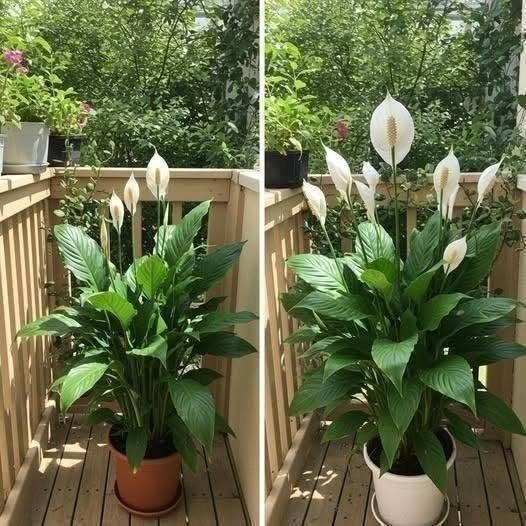
Adding a single tablespoon of common household substances to your indoor or outdoor plants can produce dramatically different results—some act as potent micro-fertilizers, while others introduce mold, pests, or osmotic stress. Understanding the chemical and biological impact of each household item is essential before applying it to your soil.
🌿 Household Substances & Soil Impact
| Substance | Primary Mineral / Compound | Plant Impact & Mechanism | Safety Verdict |
| Coffee Grounds | Nitrogen, organic matter | Enriches nitrogen levels and improves organic soil aeration; slightly acidifies root zones. | Beneficial (Ideal for acid-loving plants) |
| Epsom Salt | Magnesium sulfate ($\text{MgSO}_4$) | Supplies essential magnesium for chlorophyll synthesis and sulfur for enzyme production. | Beneficial (Great for nightshades like peppers & tomatoes) |
| Crushed Eggshells | Calcium carbonate ($\text{CaCO}_3$) | Slowly releases calcium over months, neutralizing acidity and preventing blossom-end rot. | Beneficial (Crush finely before application) |
| Banana Peel | Potassium ($\text{K}$), phosphorus ($\text{P}$) | Breaks down into key nutrients for root vigor and floral blooms; must be buried beneath the soil. | Beneficial (Bury to avoid fruit flies) |
| Fish Tank Water | Nitrogen (nitrates), trace minerals | Acts as a gentle, organic liquid fertilizer without burning delicate root hairs. | Beneficial (Freshwater aquariums only) |
| Milk (Diluted) | Lactoferrin, calcium, proteins | Diluted with water, it acts as a foliar antifungal against powdery mildew. | Caution (Undiluted causes foul odors and anaerobic bacteria) |
| Mild Dish Soap | Surfactants, fatty acid salts | Emulsifies protective waxy layers on soft-bodied pests (aphids, mites). | Caution (Must be heavily diluted; avoid direct sun) |
| Water | $\text{H}_2\text{O}$ | Minimal hydration; a single tablespoon only dampens topsoil without reaching the root ball. | Neutral (Insufficient volume for true watering) |
| Granulated Sugar | Simple sucrose | Feeds surface bacteria and mold spores while attracting ant colonies. | ❌ Harmful |
| Soda / Soft Drinks | High fructose, phosphoric acid | Concentrated sugars disrupt root osmotic balance and induce microbial mold blooms. | ❌ Harmful |
🧪 Botanical Science: Soil Chemistry & Osmotic Dynamics
-
The Osmotic Shock Hazard of Simple Sugars: Introducing simple sucrose or high-fructose syrups creates a hypertonic environment in the soil. Instead of roots absorbing moisture, water is drawn out of plant cells via osmosis, leading to root dehydration while rapidly accelerating fungal and insect proliferation.
-
Chelation & Slow Nutrient Availability: Solid additions like crushed eggshells ($\text{CaCO}_3$) require microbial and enzymatic breakdown before becoming bioavailable. For rapid uptake, dissolving water-soluble salts like Epsom salt ($\text{MgSO}_4$) delivers ionic magnesium directly to xylem transport vessels.
-
Foliar Surfactant Action: Mild soaps work by breaking the surface tension of water and dissolving the protective waxy epicuticle of sap-sucking pests. However, over-application strips the plant’s own leaf cuticle, increasing transpiration stress.
Step-by-Step Application Protocol:
LOOK NEXT PAGE DEAR──►
For Complete Cooking STEPS Please Head On Over To Next Page Or Open button (>)
For Complete Cooking STEPS Please Head On Over To Next Page Or Open button (>)